

Google Android had the most vulnerabilities last year, while Microsoft, Adobe and Apple software were among the other most vulnerable
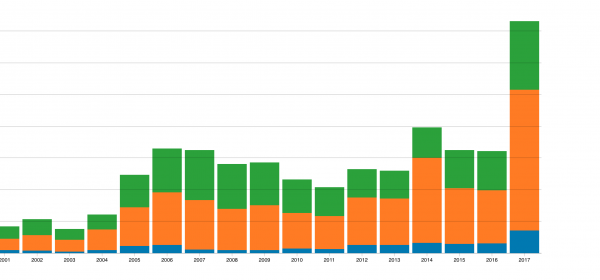
PRAGUE, March 19, 2018 – GFI Software, a provider of security solutions for enterprise networks, reported that in 2017 there was a significant increase in vulnerabilities in operating systems and applications, both on desktop and, especially, mobile devices. A total of 14,712 vulnerabilities were recorded last year, 128% more than in 2016, when 6,447 vulnerabilities were recorded. The highest number of new vulnerabilities was registered in Google Android, Linux Kernel and Apple iOS systems.
Information based on data from The National Vulnerability Database shows that after three years of slight stagnation or decline, 2017 saw a sharp reversal and more than a doubling in the number of vulnerabilities. The ranking of vulnerabilities by system type demonstrates the growing threat to mobile systems, as two of the three most vulnerable software products are mobile operating systems, while vulnerable products also include smartwatches and TV systems.
Key figures for 2017:
- The largest increase in vulnerabilities occurred in mobile devices, with the highest numbers registered for Google Android (842), Apple iOS (387), Microsoft Windows RT (157 in total) and Apple Watch OS (92).
- The most vulnerable desktop operating system in 2017 was Linux Kernel (453 vulnerabilities), followed by Mac OS X (299); however, Microsoft Windows had the highest total number of vulnerabilities, with six different operating systems listed among the ten most vulnerable, led by Windows 10 with a total of 268 vulnerabilities.
- Among web browsers, Microsoft Edge was the most vulnerable (202 vulnerabilities), followed by Apple Safari (179), Google Chrome (153) and Microsoft Internet Explorer (79); among applications, it was Adobe Acrobat.
- The top five software vendors with the highest number of vulnerabilities include Google, Oracle, Microsoft, IBM and Apple; however, when vulnerability severity is taken into account, software from Adobe is the most at risk.
“2017 was a real turning point in the growth of the number of vulnerabilities, as demonstrated by the successful ransomware attacks whose wave hit us last year,” said Zdeněk Bínek, responsible for sales of GFI Software solutions in the Czech Republic and Slovakia. “The growing number of vulnerabilities in mobile devices is particularly worrying, as it shows that attackers are increasingly able to successfully target enterprise networks using BYOD devices. This latest information should provide a strong incentive to deploy tools capable of regular, automated software updates as well as vulnerability scanning on computers and mobile devices.”
GFI Software offers GFI LanGuard, a solution that provides automated update management for Windows, Mac OS and Linux, vulnerability scanning on computers and mobile devices, and network and software auditing. To enhance security, it enables the creation of an inventory of assets on every device on the network, including tablets and smartphones that connect to Exchange servers. GFI LanGuard is also a key component of the comprehensive GFI OneGuard platform for centralized network management.
Article author: ZEBR.ai editorial team



