As the number of applications and mobile devices grows, so do the vulnerability of corporate networks and the risks of cyberattacks
PRAGUE, October 10, 2019 – GFI Software, a provider of security solutions for enterprise networks, stated that the growing number of applications, utilities, and mobile devices increases the vulnerability of corporate networks and, consequently, the risks of potential attacks. Creating an effective software update management system requires meeting a number of requirements that make it possible to improve corporate IT security, reduce the risk of attacks, and at the same time comply with strict requirements imposed by various regulatory regulations.
Creating a functional system is becoming increasingly urgent, as software vulnerabilities increased again last year, both in operating systems and in desktop and mobile applications. A total of 16,555 vulnerabilities were recorded last year, i.e., 12.5% more than in 2017, when 14,714 vulnerabilities were identified. The highest number of new vulnerabilities was registered in the Debian Linux, Google Android, and Ubuntu Linux operating systems, as well as Qualcomm firmware; among applications, Mozilla Firefox and Adobe Acrobat Reader were the most affected.
6 steps to effective update management based on GFI Software experience include:
- Establish rules for software patch management within the organization – this includes defining the scope of patching, deadlines and exceptions, and maintaining an up-to-date asset inventory.
- Assign responsibility for identifying patches and distributing them within the organization – this means appointing a team or person responsible for risk management, vulnerability assessment, patch testing, and installation.
- Verify update installations and resolve issues – Effective update management also includes verification to ensure patches work after installation, as well as resolving any issues.
- Automate to the greatest possible extent – Manual patch deployment is not a sustainable long-term approach; the path to effective management is automated update deployment, preferably in multiple stages.
- Create a database of remediation measures – A database of risks, remediation measures, and patching exceptions helps maintain an overview of and control over update management processes.
- Monitor the effectiveness of the update management system – System performance can be measured through ongoing evaluation of, for example, the maturity of the patch management system, the costs of implementing and operating the system, and compliance with regulatory requirements.
“Effective update management is a key component of every cybersecurity strategy,” said Zdeněk Bínek, responsible for GFI Software sales in the Czech Republic and Slovakia. “An update system built on technical tools that enable the automation of patching processes delivers greater security, higher employee productivity, better IT infrastructure performance, greater compliance with regulatory requirements, and ultimately lower costs.”
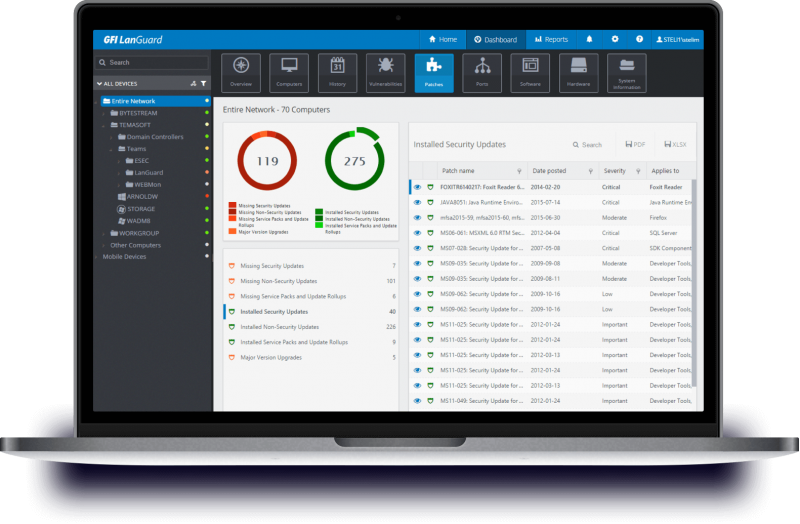
GFI Software offers organizations the GFI LanGuard tool, which provides automated update management, vulnerability scanning on computers and mobile devices, and network and software auditing. To increase security, it enables the creation of an asset inventory for every device on the network, including tablets and smartphones. GFI LanGuard is also part of the GFI Unlimited licensing model, enabling the use of up to 10 GFI Software products under a cost-effective, unified subscription.
Article author: ZEBR.ai editorial team